Shade Where the Region Has None
Away from the rivers this landscape is open, dry and brutal in summer. Under the gallery forest it is ten degrees cooler, the ground stays soft, and there is water within reach for most of the day. That single fact makes walking possible from March to November rather than only in spring, and it is why our itineraries follow the riverbank even when a direct route would be shorter. Route notes state exactly where the canopy breaks, how long the exposed section lasts and where the next drinkable water is.
Wildlife Concentrated in a Narrow Band
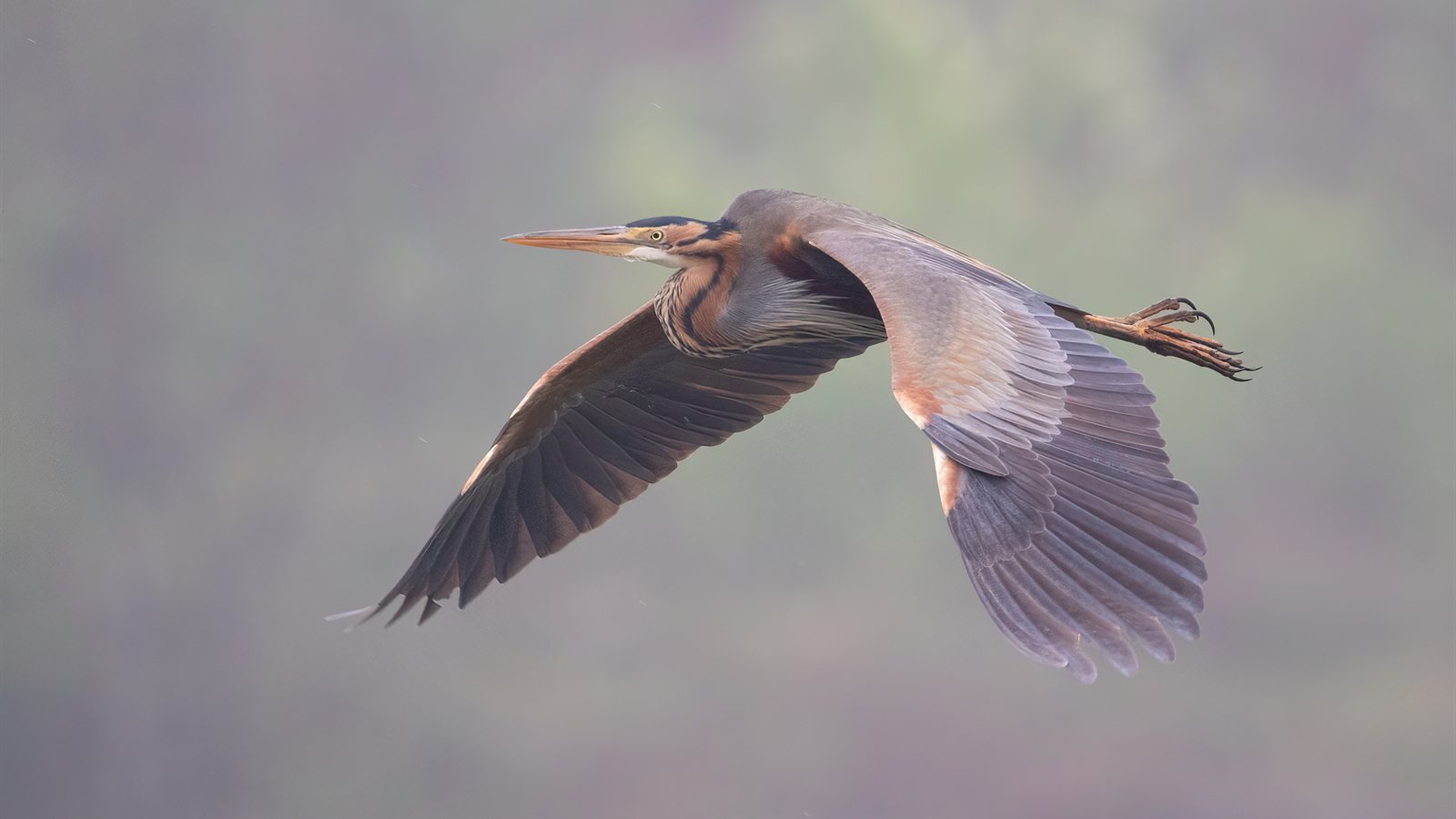
Because the surrounding country is farmed intensively, almost everything alive is compressed into the river corridor: otters, genets, wild boar, bee-eaters, orioles, kingfishers, purple herons, terrapins and, in the oxbows, amphibians in extraordinary numbers. Walking a floodplain in May is closer to a wildlife safari than to a country stroll. Guides carry binoculars and a telescope, know the nest sites and the feeding times, and keep groups small enough not to empty a stretch of water before anyone has seen anything.
Routes Verified Every Spring
Floodplains rearrange themselves. Winter floods drop trees across paths, wash out fords, move gravel and occasionally take a footbridge downstream. Every kilometre we sell is walked by our own staff after the flood season, distances are measured, obstacles are recorded and the notes are reprinted before anyone else uses them. Changes during the season are published within a day, and anybody with a booking on that stage is contacted directly with an alternative rather than left to discover the problem at a broken bridge.
Villages That Are Still Alive
Stages are planned to finish where there is a bar, a shop and somebody to cook, which sounds obvious and is not how most long-distance routes are designed. The forty places we work with are family businesses in villages of a few hundred people, and a walker arriving in March is genuinely welcome. Menus are whatever is cooked that day rather than a tourist card, prices are local, and the guesthouse owner will usually sit down with a map and explain the next stage better than we can.
Logistics Handled Completely
Luggage moves between guesthouses each morning, transfers connect the route to the nearest station, a support number is answered from seven until nine every day of the season, and any stage can be shortened by vehicle without embarrassment. Bookings are confirmed in your name with deposits paid and dietary needs passed on. For self-guided walkers we provide printed and digital notes, a tracked route file, an emergency card in Spanish and a list of the taxis that actually answer.
Tourism That Pays for Trees
A fixed share of every booking goes into riverbank replanting, carried out each winter with the municipalities and a river association: poplars, ash, willow and elm on stretches where the bank has been stripped. Guests may join the planting days, and we publish the number of trees, the survival rate and the money spent every year. Several kilometres of corridor that were bare gravel when the survey began are now closing canopy, which is the only argument for this kind of tourism that actually matters.